
Call: 9397976106
Digital Marketing Career Implementation: 10 Key Growth Areashttps://vijayasolutions.in/about-us/
Digital Marketing Career Implementation is becoming an important path for students, job seekers, business owners, and professionals who want to develop practical skills for the modern workplace. Digital marketing skills are useful because businesses of almost every size now depend on websites, search engines, social media, online advertising, email, and digital content to connect with customers. Learning these areas can help a person understand how businesses attract visitors, generate leads, communicate with audiences, and increase sales.
Digital Marketing Career Implementation also provides a practical way to turn learning into professional opportunities. Instead of studying only theoretical concepts, learners can practice SEO, social media marketing, content marketing, Google Ads, analytics, and other digital activities through real or sample projects. This practical approach can improve confidence and make it easier to demonstrate skills to employers or clients.
10 Ways Digital Marketing Skills Build a Successful Career
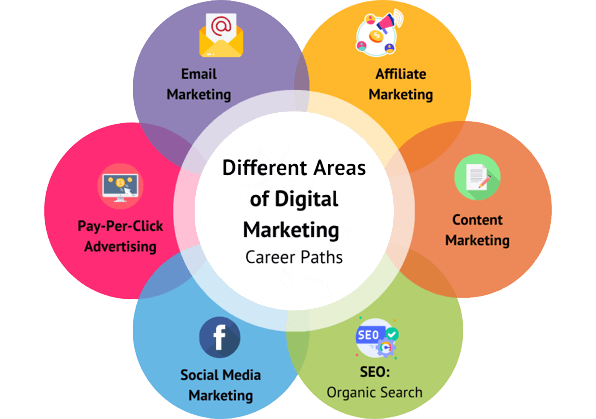
10 Ways Digital Marketing Skills Build a Successful Career starts with understanding why digital marketing knowledge has become important in almost every industry. Digital marketing skills, career implementation, and digital marketing jobs can provide opportunities across different business sectors behttps://vijayasolutions.in/services/cause companies need people who understand how to attract online audiences and convert them into customers. 10 Ways Digital Marketing Skills Build a Successful Career can be understood through ten major areas: developing practical marketing skills, creating multiple career opportunities, building an SEO career, learning social media marketing, gaining Google Ads knowledge, improving content marketing abilities, supporting freelance and work-from-home opportunities, encouraging entrepreneurship, developing analytical skills, and creating long-term professional growth. When learners combine education with regular practice, they can build confidence and demonstrate their abilities to employers and clients.
1. Builds Practical Digital Marketing Skills
https://vijayasolutions.in/address/
Digital marketing provides learners with an opportunity to develop practical skills that can be applied directly to business activities. A person can study digital marketing concepts and then practice them using a sample website, social media page, blog, or advertising campaign. This makes learning more useful because the learner is not simply memorizing definitions but understanding how different marketing activities work together.
For example, a beginner can learn keyword research and identify the terms that potential customers use when searching online. The learner can then use those keywords to create website content. After publishing the content, basic SEO techniques can be applied to improve its structure and relevance. Social media posts can then be created to promote the content, while analytics can be used to understand visitor behavior.
This practical approach is an important part of Digital Marketing Career Implementation because employers often want candidates who can apply knowledge rather than only explain concepts. A learner who has completed sample projects can discuss the process, challenges, decisions, and expected outcomes during an interview. Practical experience can therefore improve confidence and make a candidate more prepared for professional responsibilities.
Digital marketing also allows learners to practice different skills gradually. They can begin with fundamentals such as website basics and keyword research before moving into advanced areas such as paid advertising, analytics, conversion optimization, and automation. This step-by-step process makes digital marketing accessible to beginners who may have little previous experience.
2. Creates Multiple Career Opportunities
One of the strongest advantages of digital marketing is the variety of career paths available. Digital marketing is a broad field rather than a single job role. A person who enjoys writing can explore content marketing. Someone interested in search engines can specialize in SEO. A creative person may prefer social media and graphic content, while someone interested in numbers and performance can explore analytics or paid advertising.
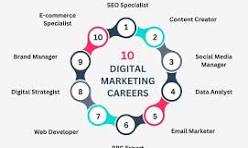
Some common digital marketing career roles include digital marketing executive, SEO executive, SEO specialist, social media executive, content writer, content strategist, PPC specialist, Google Ads specialist, email marketing executive, marketing analyst, and digital marketing manager. These roles can exist in agencies, startups, educational organizations, healthcare organizations, retail businesses, technology companies, and many other industries.
A learner does not necessarily need to become an expert in every area. It is often useful to understand the fundamentals of all major digital marketing channels and then choose one or two areas for deeper specialization. For example, a person can combine SEO with content marketing or social media marketing with paid advertising.
This flexibility makes Digital Marketing Career Implementation useful for people with different interests and backgrounds. Career development can begin with a basic course and progress through practical projects, internships, certifications, freelance work, and professional experience.
3. Improves SEO Career Opportunities
https://vijayasolutions.in/contact/
Search Engine Optimization, commonly known as SEO, is one of the most important areas of digital marketing. SEO focuses on improving a website’s visibility in organic search results. Businesses want their websites to appear when potential customers search for products, services, answers, or information related to their industry.
Learning SEO involves several areas, including keyword research, search intent, on-page optimization, technical SEO, content optimization, internal linking, website structure, and off-page activities. Beginners can start by understanding how search engines discover, understand, and rank web pages.
Keyword research is especially important because it helps marketers understand what users are searching for. Instead of creating content based only on personal assumptions, marketers can identify relevant search terms and develop useful content around them. Search intent helps determine whether a person is looking for information, comparing options, or preparing to make a purchase.
SEO also teaches patience and analytical thinking. Unlike some forms of advertising that can produce immediate traffic, organic search growth may require consistent effort and time. Marketers need to monitor rankings, traffic, content performance, and technical issues and then improve their strategies.
A person interested in an SEO career can build a portfolio by performing sample website audits, keyword research, competitor analysis, and content optimization. These projects can demonstrate practical knowledge and support the transition from training to employment.
4. Develops Social Media Marketing Expertise
Social media marketing has become another major component of digital marketing. Businesses use social platforms to build awareness, communicate with customers, share content, promote products, generate leads, and develop relationships with their audiences.
Learning social media marketing requires more than simply creating posts. A marketer needs to understand the target audience, content formats, publishing schedules, engagement strategies, platform differences, and performance metrics. Different platforms attract different audiences and may require different communication styles.
A beginner can practice by creating a social media strategy for a sample business. The project can include audience research, content themes, a weekly content calendar, captions, visual ideas, hashtags, and performance goals. This gives the learner experience in planning rather than randomly publishing posts.
Social media marketing also develops communication and creativity. Marketers need to communicate a business message in a simple and attractive way. They must understand what type of content can educate, entertain, inform, or encourage an audience to take action.
With experience, social media marketers can progress from basic content creation to campaign planning, community management, paid social advertising, influencer collaboration, analytics, and social media strategy. These skills can contribute significantly to Digital Marketing Career Implementation.
5. Provides Experience With Google Ads
Paid advertising is another valuable area for digital marketing professionals. Google Ads enables businesses to promote their products and services to people who are searching for relevant information or browsing online content.
Learning Google Ads can help a beginner understand campaign structure, ad groups, keywords, headlines, descriptions, assets, audience targeting, bidding, budgets, landing pages, and conversions. These concepts provide a foundation for understanding how paid campaigns are planned and measured.
A practical learner can create a sample campaign for a fictional business. For example, a healthcare service, educational institute, clothing business, or local restaurant can be used as a practice project. The learner can identify relevant keywords, prepare advertisements, select appropriate targeting, and design a simple conversion-focused landing page.
Performance measurement is an important part of paid advertising. Marketers may review impressions, clicks, click-through rate, cost, conversions, conversion rate, and return on advertising spend. These metrics help determine whether a campaign is performing effectively.
Google Ads knowledge can support roles such as PPC executive, paid media specialist, performance marketer, and digital marketing executive. Combining Google Ads with SEO and analytics can make a learner’s skill set more comprehensive.
6. Strengthens Content Marketing Skills
Content marketing involves creating and distributing useful information to attract, educate, and engage a target audience. Content can include blog articles, website pages, videos, social media posts, email newsletters, infographics, guides, case studies, and other formats.
Content marketing teaches learners how to understand customer needs and communicate solutions. A good content strategy begins with identifying the audience and understanding the questions, problems, interests, and needs of that audience.
SEO and content marketing work closely together. Keyword research can help identify topics that people are searching for, while useful content can provide answers to those searches. However, effective content should focus on helping the audience rather than simply repeating keywords.
Writing skills are also valuable in content marketing. A marketer should know how to create clear headings, introductions, explanations, calls to action, and easy-to-read paragraphs. Content should provide genuine value and maintain a consistent brand voice.
People who enjoy writing can build careers in content writing, blogging, copywriting, content strategy, and marketing communication. Content skills can also support other areas of digital marketing because social media, SEO, email marketing, and advertising all require effective communication.
7. Supports Freelancing and Work-From-Home Opportunities
Digital marketing can provide flexible career possibilities because many marketing tasks can be performed online. Depending on the employer or client, professionals may work remotely on SEO research, content creation, social media management, advertising campaigns, email marketing, website updates, or reporting.
For beginners, freelancing can be approached gradually. Instead of trying to offer every digital marketing service, a learner can select one or two skills and create a small portfolio. For example, someone who has learned content marketing can offer blog writing and basic SEO optimization.
A portfolio is especially important for freelance work. Clients may want to see examples of previous work before assigning a project. Beginners without professional experience can create sample projects based on imaginary businesses or volunteer projects.
Work-from-home opportunities also require professional habits. Freelancers need to communicate clearly, meet deadlines, organize files, understand client requirements, maintain quality, and provide regular updates. Digital marketing skills alone are not enough; communication and reliability are equally important.
For people seeking flexible career options, Digital Marketing Career Implementation can provide a structured path from learning to portfolio development and eventually to freelance or remote opportunities.
8. Encourages Business and Entrepreneurship
Digital marketing is useful not only for employees but also for entrepreneurs and small business owners. A business can use digital channels to reach potential customers without depending entirely on traditional marketing methods.
A small business can create a website, optimize it for search engines, establish social media profiles, publish useful content, run paid advertising, and communicate with customers through digital channels. Understanding these activities can help entrepreneurs make informed marketing decisions.
For example, a small fashion business can use social media to showcase products, SEO to attract people searching for related products, and Google Ads to reach customers with purchase intent. A local service business can use location-focused content and online advertising to reach people in its service area.
Digital marketing also helps entrepreneurs understand customer behavior. Analytics can provide information about website visitors, traffic sources, popular pages, and conversions. This information can help businesses improve their marketing strategies.
Entrepreneurial digital marketing knowledge can therefore reduce the gap between business ideas and online visibility. Even when an entrepreneur hires specialists, understanding the basics makes it easier to communicate requirements and evaluate marketing performance.
9. Develops Analytical and Problem-Solving Skills
Digital marketing is both creative and analytical. Marketers create content and campaigns, but they also need to study results and make decisions based on data.
Analytics can help marketers understand where visitors come from, which pages receive attention, what users do on a website, and which marketing activities contribute to conversions. Advertising platforms also provide performance data that can be used to evaluate campaigns.
Suppose a campaign receives many impressions but very few clicks. The marketer may need to review the advertisement, targeting, keywords, or message. If a website receives many visitors but few conversions, the landing page, offer, navigation, or call to action may need improvement.
This process develops problem-solving abilities. Instead of assuming that a campaign is successful or unsuccessful, a marketer can examine evidence and identify possible reasons.
Analytical thinking is transferable to many careers. It can help professionals understand business problems, compare alternatives, measure results, and make better decisions. Therefore, learning analytics as part of Digital Marketing Career Implementation can provide benefits beyond marketing itself.
10. Creates Long-Term Career Growth
Digital marketing is constantly changing. Search engines update their systems, social media platforms introduce new features, advertising tools evolve, consumer behavior changes, and artificial intelligence is increasingly used in marketing workflows.
Because of these changes, successful digital marketers need to become continuous learners. Completing a course is only the beginning. Professionals should regularly update their knowledge through practice, industry information, new tools, and real-world experience.
Career growth can happen in stages. A beginner may start as a trainee or junior executive. After gaining experience, the person may become a specialist in SEO, social media, paid advertising, content, analytics, or another area. With stronger skills and experience, opportunities can expand toward senior executive, strategist, manager, consultant, or independent freelancer positions.
Continuous learning can also help professionals adapt when particular tools or platforms change. Strong fundamentals are especially valuable because concepts such as audience research, communication, customer journeys, measurement, and strategy remain important even when individual platforms change.
How to Implement Digital Marketing Skills in a Career
The first step in career implementation is to understand the fundamentals. Beginners should learn what digital marketing is, how different channels work, and how businesses use those channels to achieve goals. After learning the basics, learners can select areas that match their interests and career goals.
The second step is practical training. Reading notes or watching lessons is useful, but learners should also perform activities themselves. They can conduct keyword research, write blog content, prepare social media posts, create advertising campaigns, analyze sample websites, and prepare performance reports.
The third step is project development. A learner can create three to five sample projects that demonstrate different skills. For example, one project can focus on SEO, another on social media, another on content marketing, and another on Google Ads.
The fourth step is portfolio creation. The portfolio should explain what the project was, what objective was selected, what activities were performed, and what the expected outcome was. Screenshots, sample content, keyword lists, campaign structures, and reports can make the portfolio more useful.
The fifth step is gaining experience. Internships, volunteer projects, freelance assignments, and entry-level jobs can provide exposure to real business requirements. Real projects often teach lessons that cannot be learned from theory alone.
Building a Strong Digital Marketing Portfolio
A strong portfolio can make a significant difference when applying for digital marketing jobs. Employers may receive applications from many candidates with similar educational qualifications. A portfolio can help a candidate demonstrate practical ability.
A beginner portfolio can include a sample SEO audit, keyword research document, optimized blog article, social media content calendar, Google Ads campaign structure, email campaign example, and basic analytics report.
Each project should be presented clearly. The learner should explain the business situation, objective, target audience, strategy, work completed, and expected result. The portfolio should be organized and easy to understand.
It is also important not to make false claims. Beginners can clearly label projects as sample or practice projects. Honesty builds credibility and allows employers to understand the candidate’s actual level of experience.
Importance of Certification
Digital marketing certification can support career development by showing that a learner has studied specific concepts. Certifications may be useful when creating a resume or demonstrating commitment to professional learning.
However, certification should not be considered a replacement for practical experience. A person may understand marketing concepts but still need practice before confidently managing real campaigns.
The best approach is to combine learning, certification, practical projects, portfolio development, and continuous improvement. This combination can create a stronger foundation for Digital Marketing Career Implementation.
Role of Communication Skills
Communication is an important part of every digital marketing role. Marketers communicate with customers, managers, business owners, designers, developers, sales teams, and other professionals.
A marketer should be able to explain a strategy in simple language. For example, when discussing SEO, the marketer may need to explain why certain keywords were selected and how content can help attract relevant visitors.
Written communication is equally important. Emails, reports, social media posts, advertisements, blog articles, proposals, and presentations all require clear communication.
Improving English communication can therefore complement digital marketing training. A learner does not need perfect English to begin, but consistent practice can improve confidence and professional communication.
Using AI in Digital Marketing
Artificial intelligence is becoming increasingly relevant to digital marketing. AI tools can help marketers generate ideas, organize information, support research, analyze patterns, create initial content drafts, and improve productivity.
However, AI should be used responsibly. Marketers still need to verify information, understand customers, maintain originality, protect sensitive information, and ensure that final content reflects the business’s goals and audience.
Learning AI alongside traditional digital marketing can provide an additional advantage. A marketer who understands SEO, content, social media, advertising, analytics, and AI-assisted workflows can potentially work more efficiently.
The key is to develop strong marketing fundamentals first and then use AI as a supporting tool. Technology should improve productivity without replacing human judgment, creativity, strategy, and quality control.
Creating a Personal Career Roadmap
A career roadmap can make learning more organized. A beginner can divide the learning journey into stages rather than attempting to learn everything at the same time.
In the first stage, learn digital marketing fundamentals. In the second stage, study SEO, social media, content marketing, Google Ads, and analytics. In the third stage, select two areas for deeper practice. In the fourth stage, complete practical projects. In the fifth stage, create a portfolio and begin applying for internships, jobs, or freelance opportunities.
Goals should be realistic and measurable. Instead of saying, “I want to learn digital marketing,” a learner can set specific goals such as completing keyword research exercises, writing five SEO articles, creating a social media calendar, or preparing a sample advertising campaign.
A structured roadmap can reduce confusion and make progress easier to track.
Benefits for Beginners
Digital marketing can be suitable for beginners because many skills can be learned step by step. A person does not necessarily need advanced technical knowledge to start learning the fundamentals.
Beginners can begin with simple concepts such as websites, search engines, keywords, content, social media, and online advertising. As confidence grows, they can move into analytics, technical SEO, paid campaigns, conversion optimization, and automation.
Practice is essential. Beginners should not become discouraged if the first project is not perfect. Mistakes can help learners understand what needs improvement.
The important goal is consistent progress. Learning one skill at a time and applying it through projects can gradually build a useful professional skill set.
Digital Marketing and Career Flexibility
One reason digital marketing attracts learners is its flexibility. Professionals can work in companies, agencies, startups, educational organizations, local businesses, or as independent freelancers.
Different career paths also allow people to choose areas that match their strengths. Someone who enjoys writing can focus on content. Someone who enjoys data can explore analytics. Someone who enjoys creativity can work in social media. Someone interested in advertising can learn PPC.
This flexibility makes digital marketing a useful career field for people who want to explore different professional directions.
Measuring Career Progress
Career progress should not be measured only by completing courses. Learners should also evaluate their practical skills.
Useful questions include: Can I perform keyword research? Can I explain SEO? Can I create a content plan? Can I prepare social media content? Can I structure a Google Ads campaign? Can I understand basic analytics? Can I explain my work to a client or employer?
If the answer is yes, the learner is moving from theoretical knowledge toward practical